Most gates don't break down out of the blue. They give warning signs first – and if you catch them, the repair is usually quicker, cheaper and less hassle than a full breakdown at the worst possible moment. Here's what to look out for.
Warning signs
It's slower than it used to be. Worn gears, a gate that's dropped, stiff hinges or a tired motor.
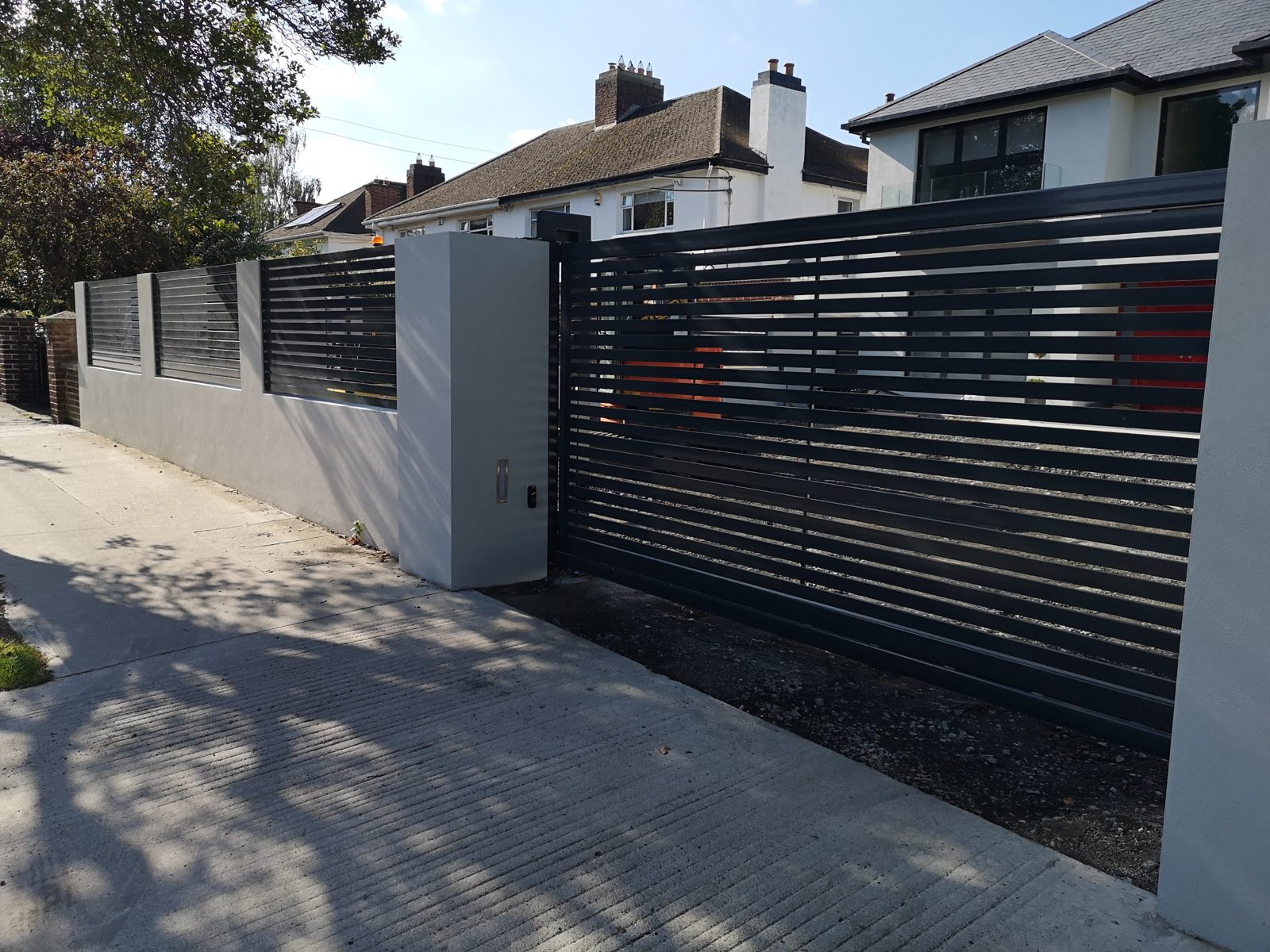
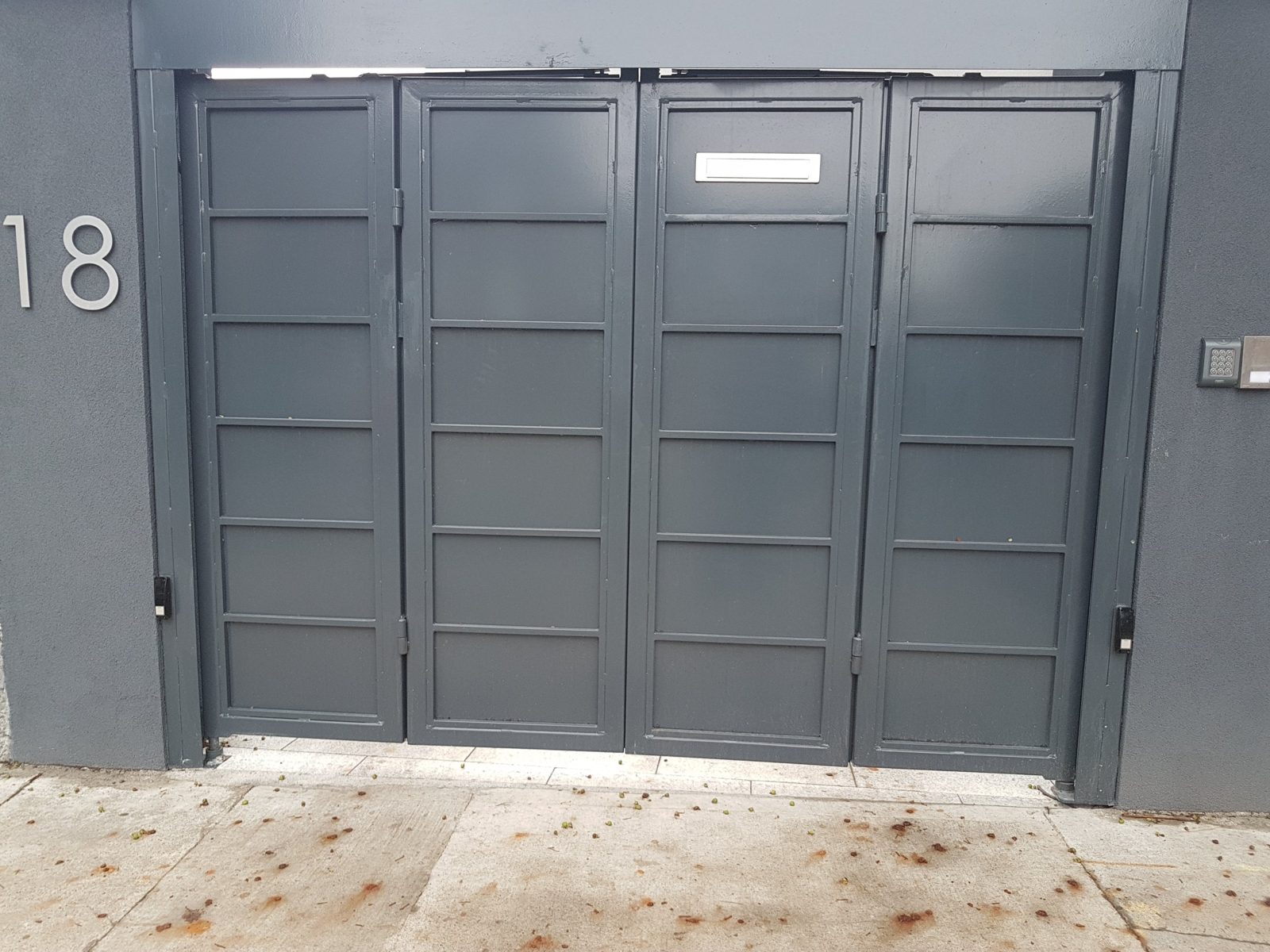
It's noisy. Grinding, clunking, squealing or banging. See noisy electric gates.
It jerks or stutters. Worn gearbox, a sliding gate rack out of line, or wheels wearing out.
It stops or reverses for no reason. Safety devices, wind, settings or a gate catching on something. See gate won't close?
It works some days and not others. Often photocells, damp in the control box or a cable fault.
The remote range has dropped. Remote batteries, receiver or aerial issues.
The gates don't meet properly. Sagging, dropped hinges or posts moving. See sagging or misaligned gates.
It trips the electrics. A fault, often water getting in – switch it off and call me.
You can see damage. Cracked photocells, split safety edges, rust, oil leaks or damaged cables.
Safety warning signs – act now
Stop using the gate automatically and get it checked if:
- it doesn't stop or reverse when something's in its way
- the photocells or safety edges are broken or missing
- the gate is wobbling, leaning or could come off its hinges or track
Keep it working
A yearly service catches most of these problems early. See electric gate maintenance.
Spotted one of these? Call, text or WhatsApp Adrian on 07855 781433.
Questions people ask me
How do I know if my electric gate needs repairing?
If it's slower, noisier, jerkier or less reliable than it used to be, it's worth getting checked.
Can I keep using a gate that's playing up?
If it's still safe – stopping and reversing properly – yes, but get it looked at soon. If the safety devices aren't working, don't.
Is it cheaper to repair early?
Usually, yes. A worn hinge is a lot cheaper than the motor it eventually wrecks.